News
CNBC News: Always on, always listening: New AI devices are pushing legal limits and could put users in jeopardy
People are increasingly navigating interactions as more tech companies introduce AI-powered, always-listening devices and features, which have been marketed as useful tools to transcribe meetings, keep track of conversations, set reminders and offer personalized recommendations. The latest example of these gadgets arrived Thursday with Amazon’s Bee Frontier wearable and Bee Eclipse, a card-shaped device that attaches to a smartphone. Both devices are designed to record, transcribe and analyze a user’s day.
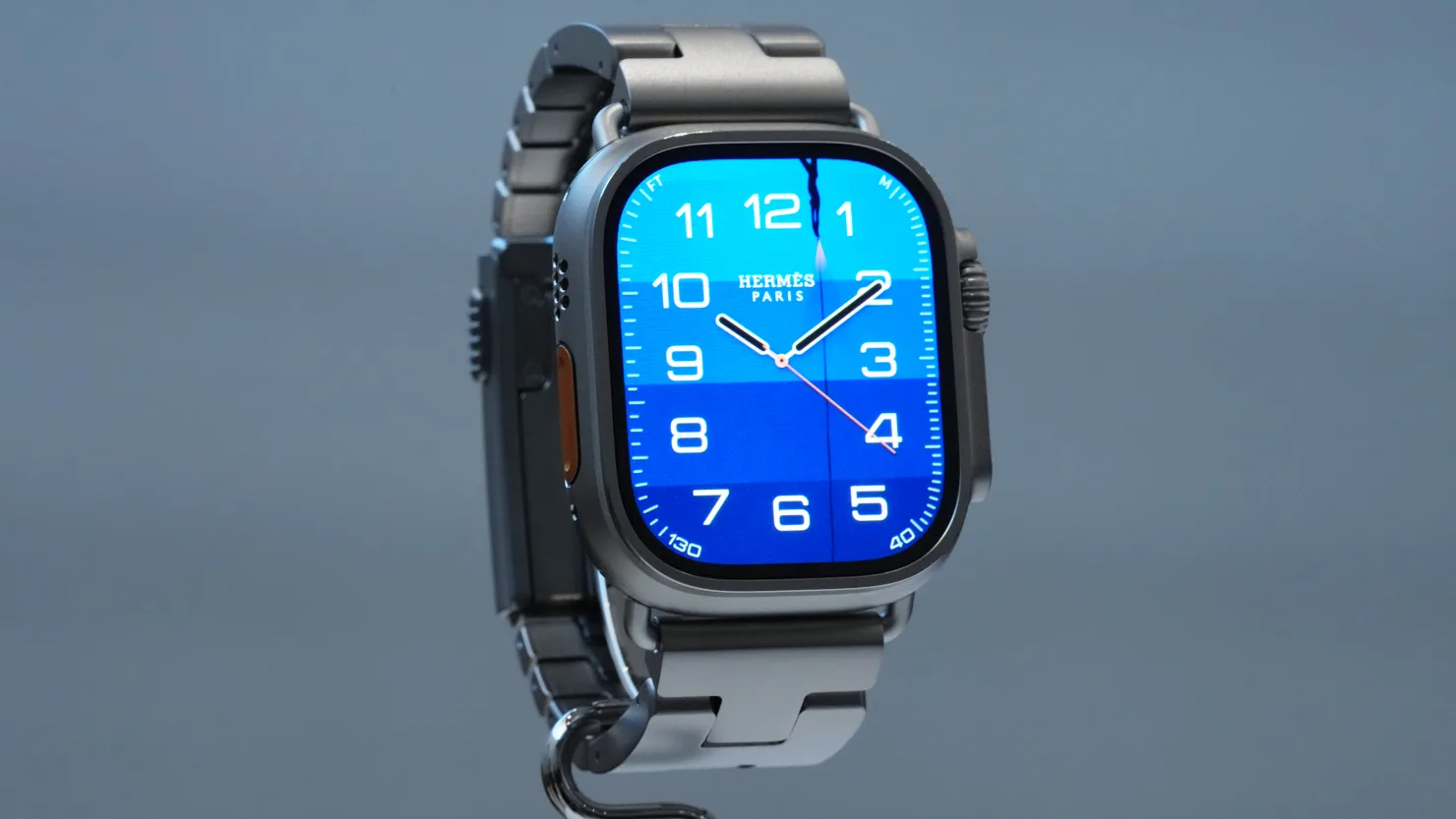
Apple’s latest Apple Watch Series 12, unveiled in September, will have Siri Recap, which “ambiently” takes notes throughout the day and generates summaries of conversations. Another feature called Live Rewind can recap 15 seconds of a conversation via a text transcription.
Meta’s popular smart glasses can take photos, capture video and record voice notes or reminders. Startups including Plaud and Pocket also developed card-sized note-taking devices, while Friend offers an AI necklace.
The devices have fueled concerns that they could erode privacy, by enabling covert recording without obtaining bystanders’ consent and collecting sensitive data that’s potentially accessible to others. Amazon, Google and other makers of voice-activated smart speakers faced similar privacy concerns when their devices first hit the market, in some cases leading to lawsuits and regulatory fines.
But this new generation of AI devices is also testing the limits of privacy law.
In CNBC’s coverage of this topic in their article, “Always on, always listening: New AI devices are pushing legal limits and could put users in jeopardy,” Michael Stokes, Veilant’s SVP of Emerging Technologies, provides his input:
The Bystanders
The broader privacy concern extends beyond who is legally responsible.
Michael Stokes, a former CIA officer and senior vice president of emerging technologies at Veilant, said the bigger shift is that people can be swept into AI-powered surveillance without owning or knowingly interacting with the device doing the collecting.
“I think the bystander problem is really the concern I have — that you can be surveilled without owning the technology,” Stokes said.
He pointed to the growing number of cameras, microphones, and sensors embedded in consumer devices, from smart glasses to watches and AI recorders. The difference now, he said, is that AI can rapidly interpret what those devices collect and draw meaning from far larger volumes of information than earlier generations of consumer technology.
For Stokes, that makes the Apple Watch part of a much larger change in the privacy landscape. During his time at the CIA, he helped develop the concept of ubiquitous technical surveillance, describing a world in which everyday devices continuously generate information that can reveal identities, locations, and associations.
The concern is not simply that more data can be collected, he said, but that the cost of making sense of it has fallen dramatically.
In the past, Stokes said, intelligence collection could require thousands of hours of work to gather, sort and analyze information about a person. AI increasingly automates that process, making it cheaper and easier to extract useful information from data that may have been gathered incidentally.
That creates a new kind of exposure for people who never opted into the technology in the first place — whether it is a private conversation picked up by a nearby wearable or information collected by a device they do not own.
“We no longer have these pockets of small privacy that we thought we did in the past,” Stokes said.